Zalando App Redesign — Confidence Before Checkout
A playful, human way to cut size-related returns and make fashion more sustainable.
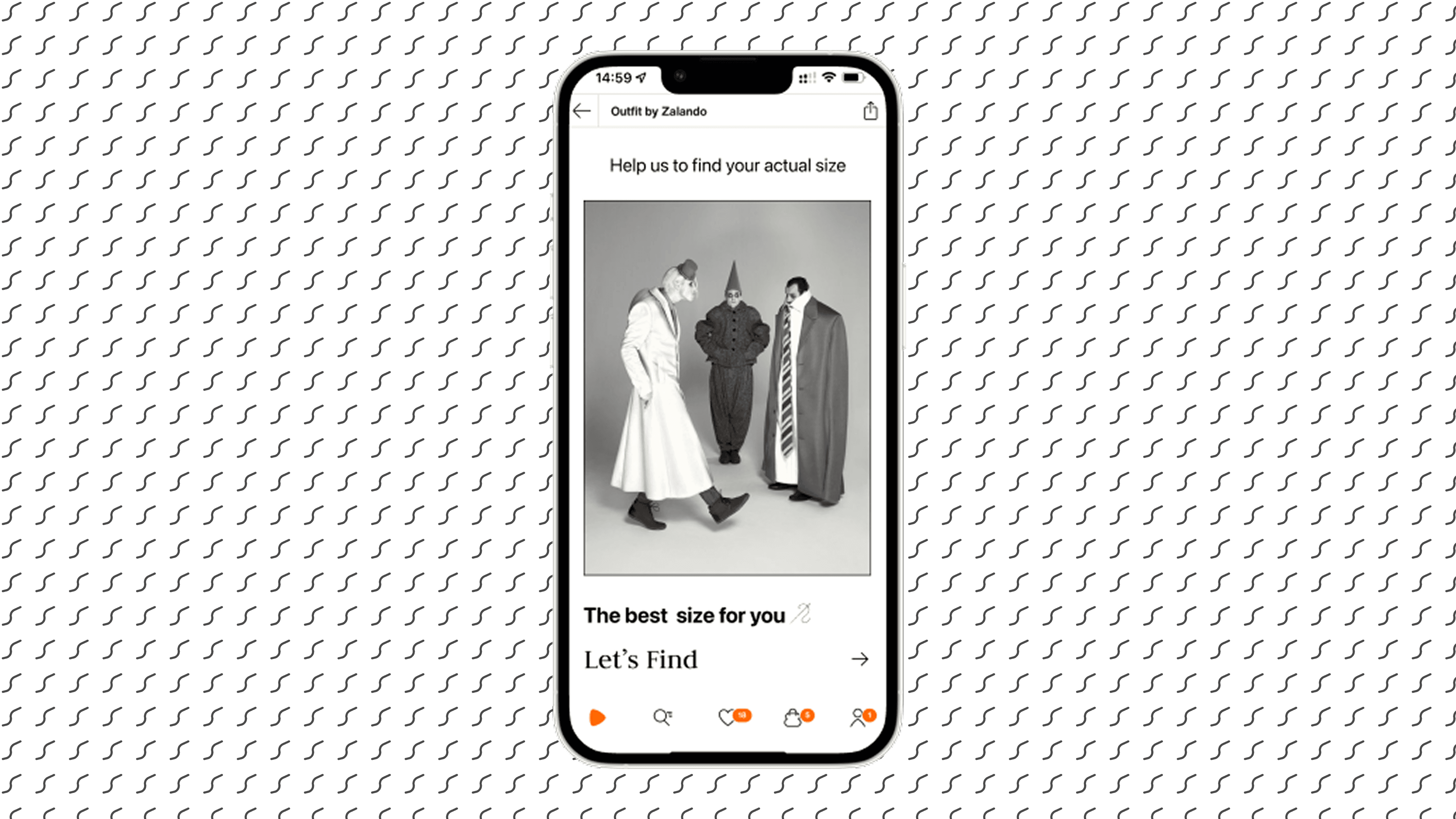
Project Journey
Click on any card below to explore that part of the project in detail
Project Overview
I love Zalando's generous return policy—but as a product designer (and a frequent buyer), I kept wondering about the cost to the business and the planet. After one of those 'try-every-size' shopping sprees, I turned my curiosity into a project: could I help people feel confident about size before checkout, without killing the joy of fashion discovery?
Duration
4 weeks
Role
Product Designer (Research, UX, UI, Prototyping)
Tools
Figma, Miro, Google Forms, Notion
Team
Individual project
Project Goals
Reduce size-related returns by increasing size confidence and brand trust, using a lightweight, enjoyable flow that fits Zalando's experience and sustainability ethos.
Problem & Research
Problem Statement
Fashion e-commerce is noisy: inconsistent brand sizing, low review coverage, and decision fatigue push people to over-order and return. It's convenient for shoppers—but expensive for the planet and the business.
A. Research Methods
Conducted comprehensive research combining quantitative and qualitative methods to understand sizing challenges in fashion e-commerce.
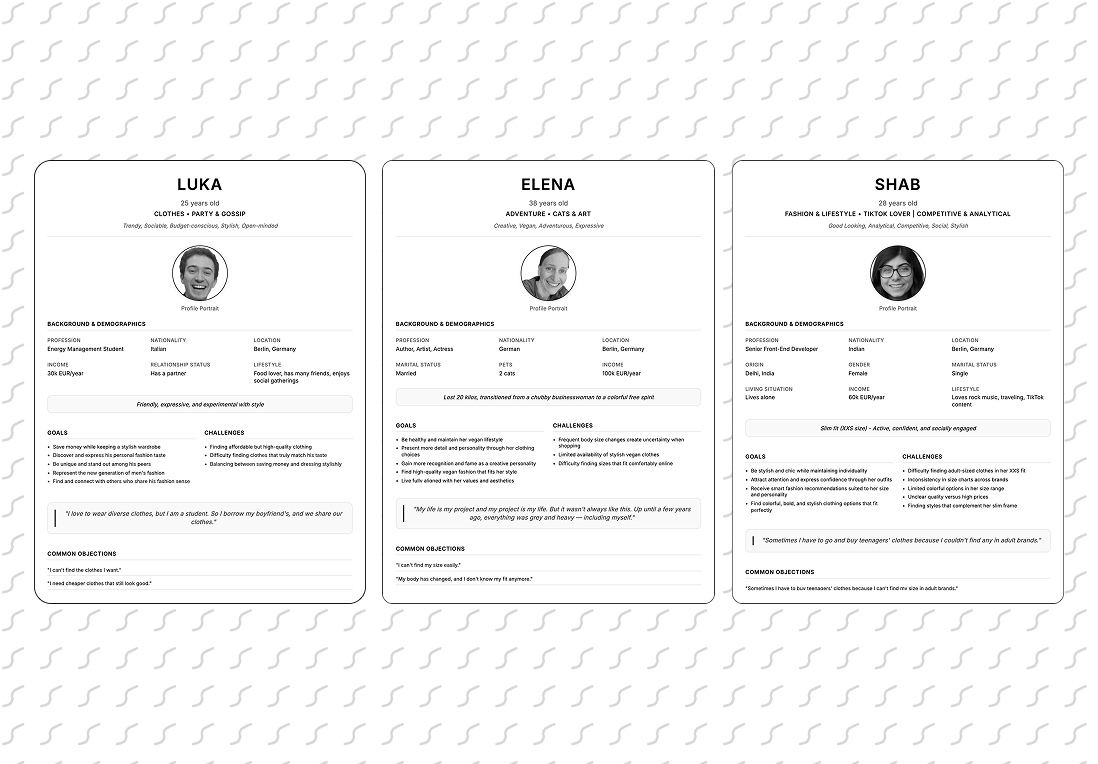
Research methods overview and personas
B. User Interviews and Empathy Map
10 in-depth interviews revealed emotional drivers behind sizing decisions and return behavior patterns.
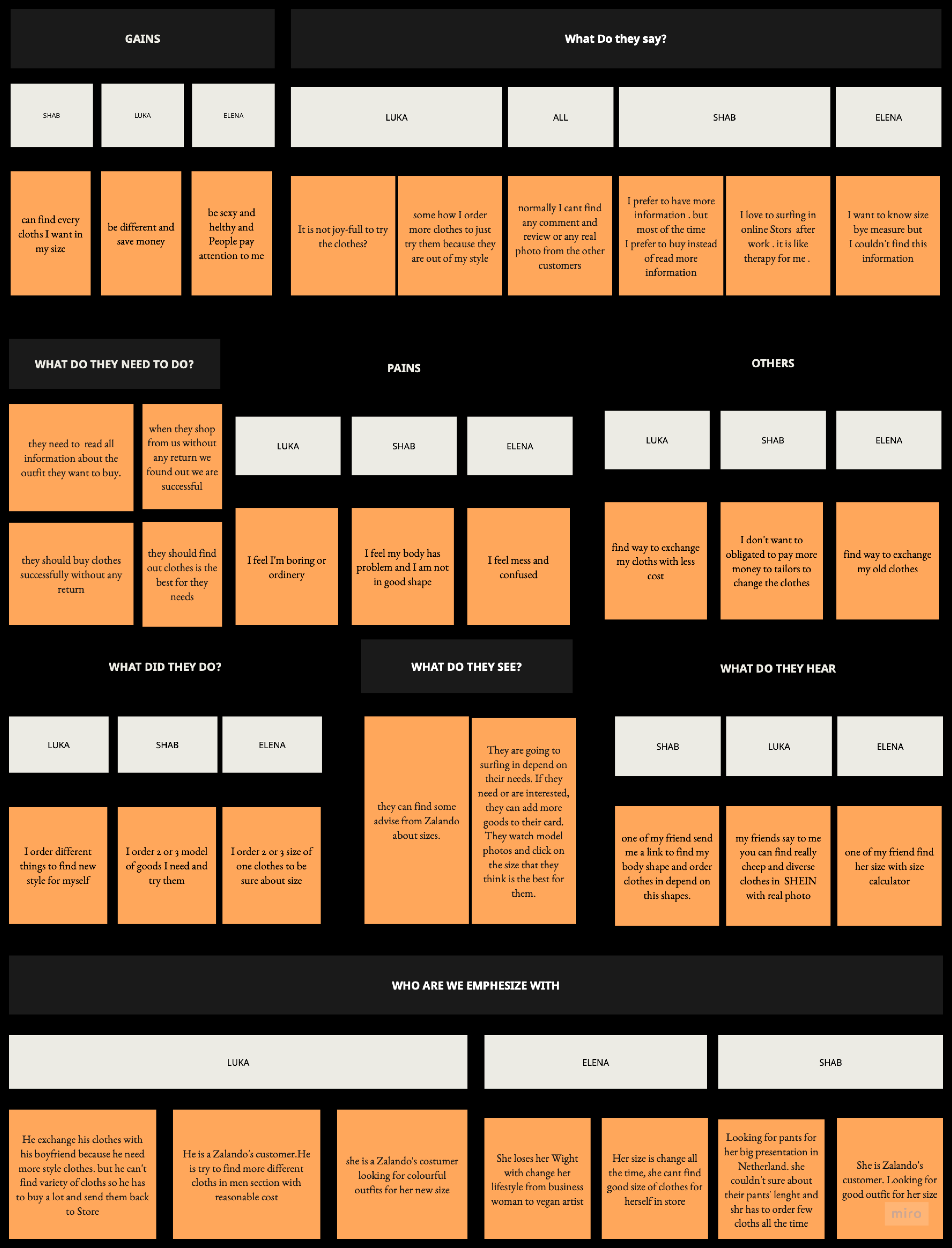
User interview insights: Empathy Map
C. Competitive Analysis
Analyzed existing sizing tools and fit predictors to identify gaps and opportunities for improvement.
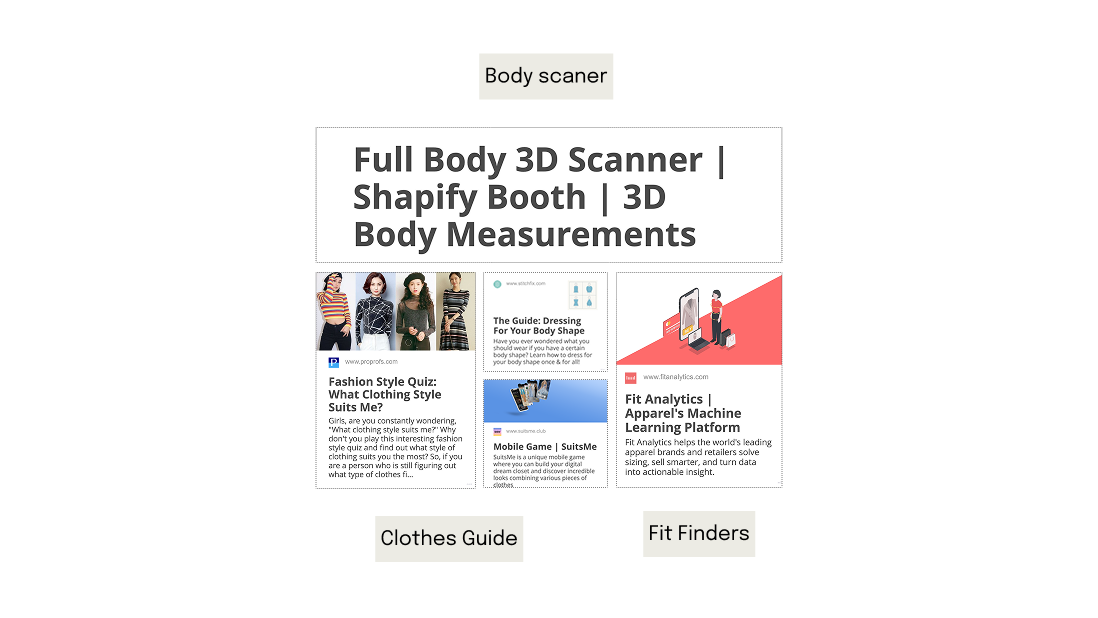
Competitive analysis findings
Research Methods
- Desk research on returns & sustainability across EU fashion e-commerce
- Quantitative survey (n≈40) on size confidence and return behavior
- 10 in-depth interviews to explore emotions behind cart decisions
- Journey mapping from browse → try-at-home → return
- Light competitor scan of sizing tools and fit predictors
Key Insights
- Size mismatch is the #1 reason for returns; jeans are the hardest.
- Many users never notice size tools—or don't trust them.
- People enjoy the freedom to experiment (multiple sizes/colors).
- Self-image and body confidence strongly influence purchase risk.
- Decision overload (filters, brands, reviews) increases over-ordering.
Solution & Design Process
Solution Concept
Make 'finding your size' feel like a quick, fun check-in—not a form. Then map a single 'Zalando size' to each brand's chart and reinforce confidence at product pages and cart.
A. Sizing Game Design
Created a 5-step interactive sizing game that feels playful and quick, building user confidence through guided questions.
Sizing game interface design
B. Brand Mapping System
Developed a system to translate one 'Zalando size' across different brand sizing charts for consistency.
Brand mapping interface
C. Size Finder
Implemented Size Finder process before showing the Style Finder result for the best result.
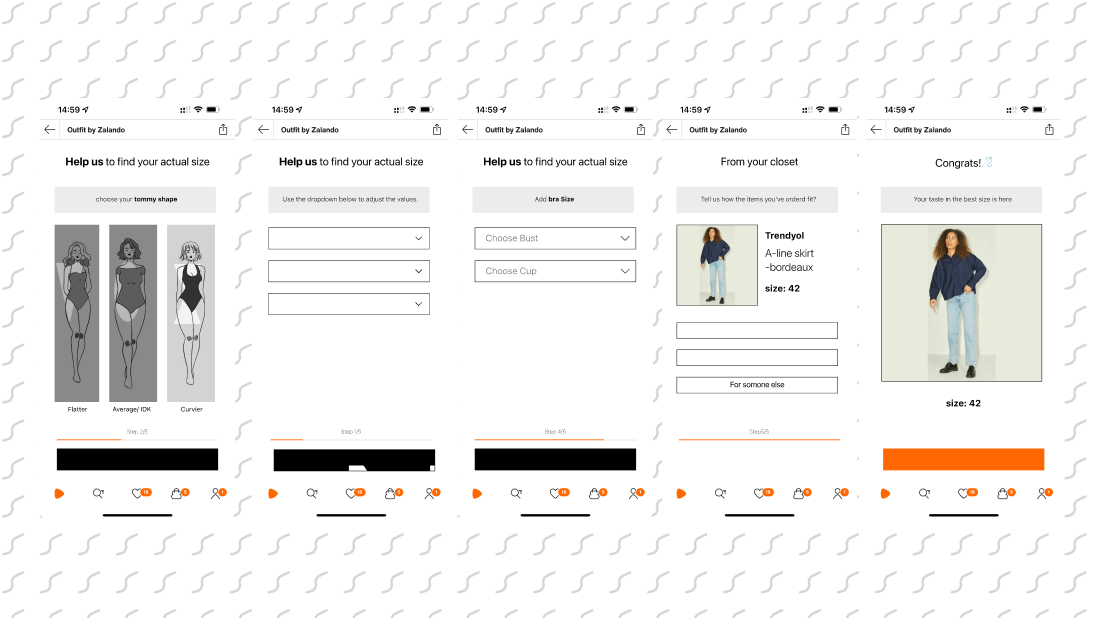
Cart reassurance design
Key Features
- Playful sizing game: 5 short steps to a personal 'Zalando size'.
- Brand mapping: translate one Zalando size to each brand's fit.
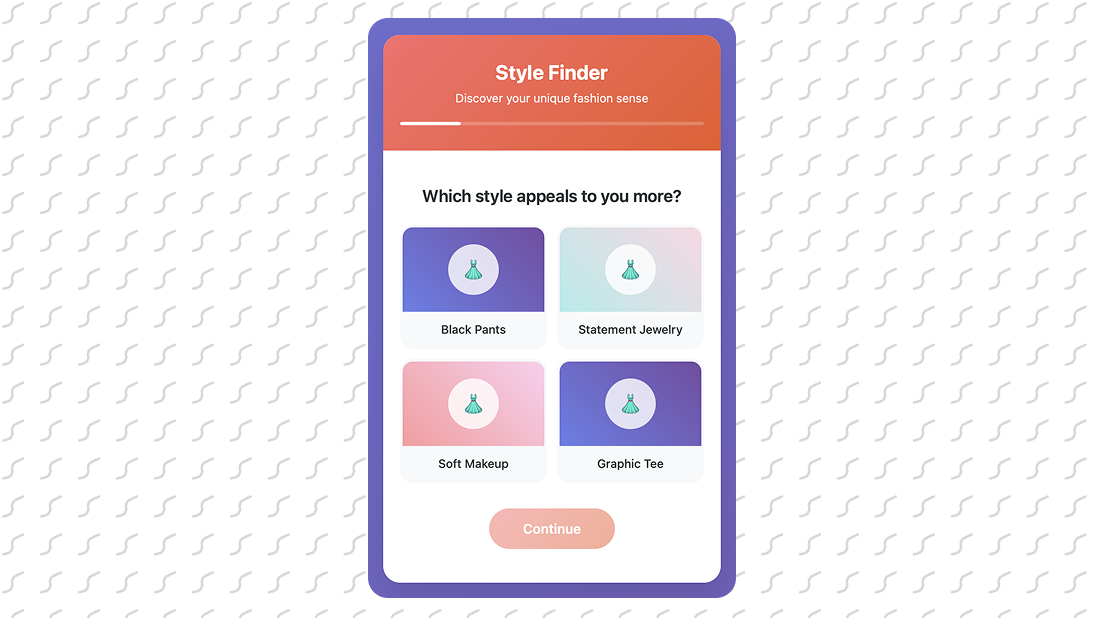
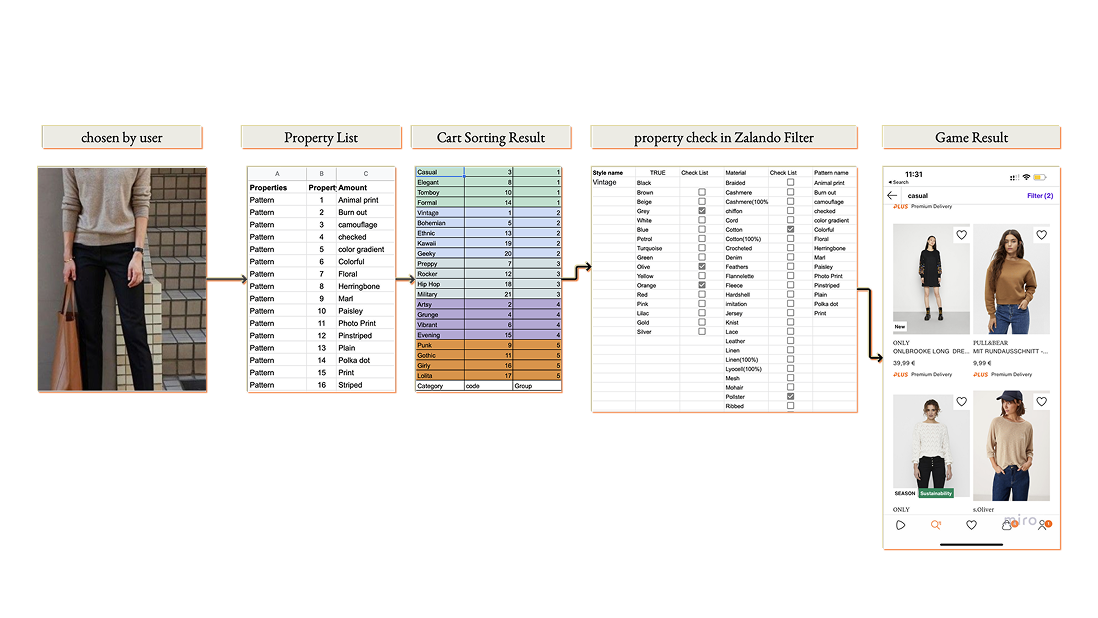
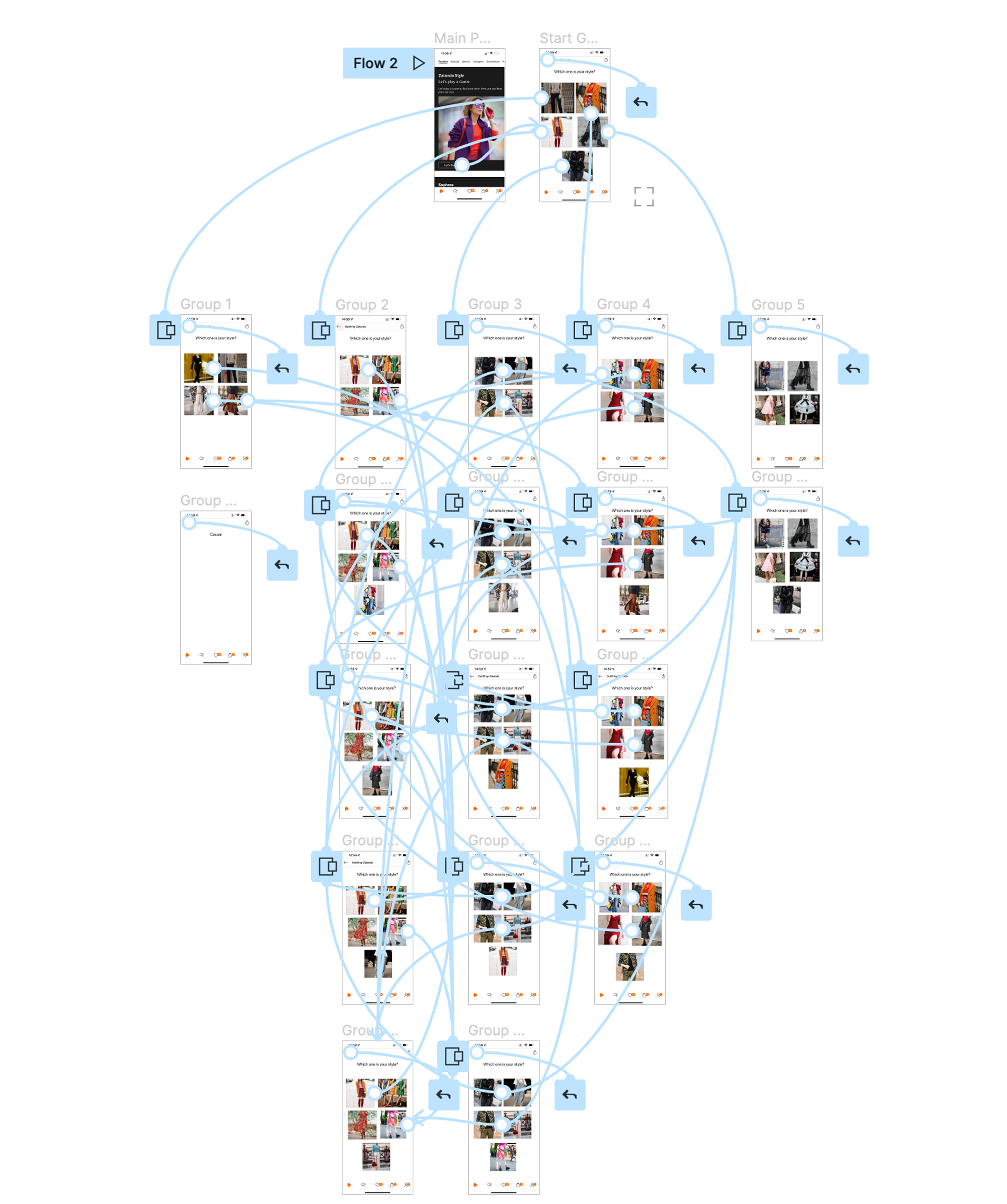
- Style finder: micro-quiz to reduce random, regretful purchases.
- Cart reassurance: inline messages like "Most shoppers your size kept M in Brand X".
- Optional precision: QR + paper tape flow to capture real measurements later.
Design Process
- Affinity mapping to cluster return drivers and emotions.
- Storyboard of 'confidence moments' before and after PDP.
- Low-fi wireframes → interactive Figma prototype.
- Usability test with 10 participants; iteration on tone, speed, and entry points.
- Visual system aligned with Zalando's 'SMALL STEPS, BIG IMPACT' spirit.
Impact & Reflection
Key Metrics
Quantitative results from user testing and feedback
A. User Testing Results
70% of participants found the sizing game enjoyable and 40% felt more confident choosing sizes.
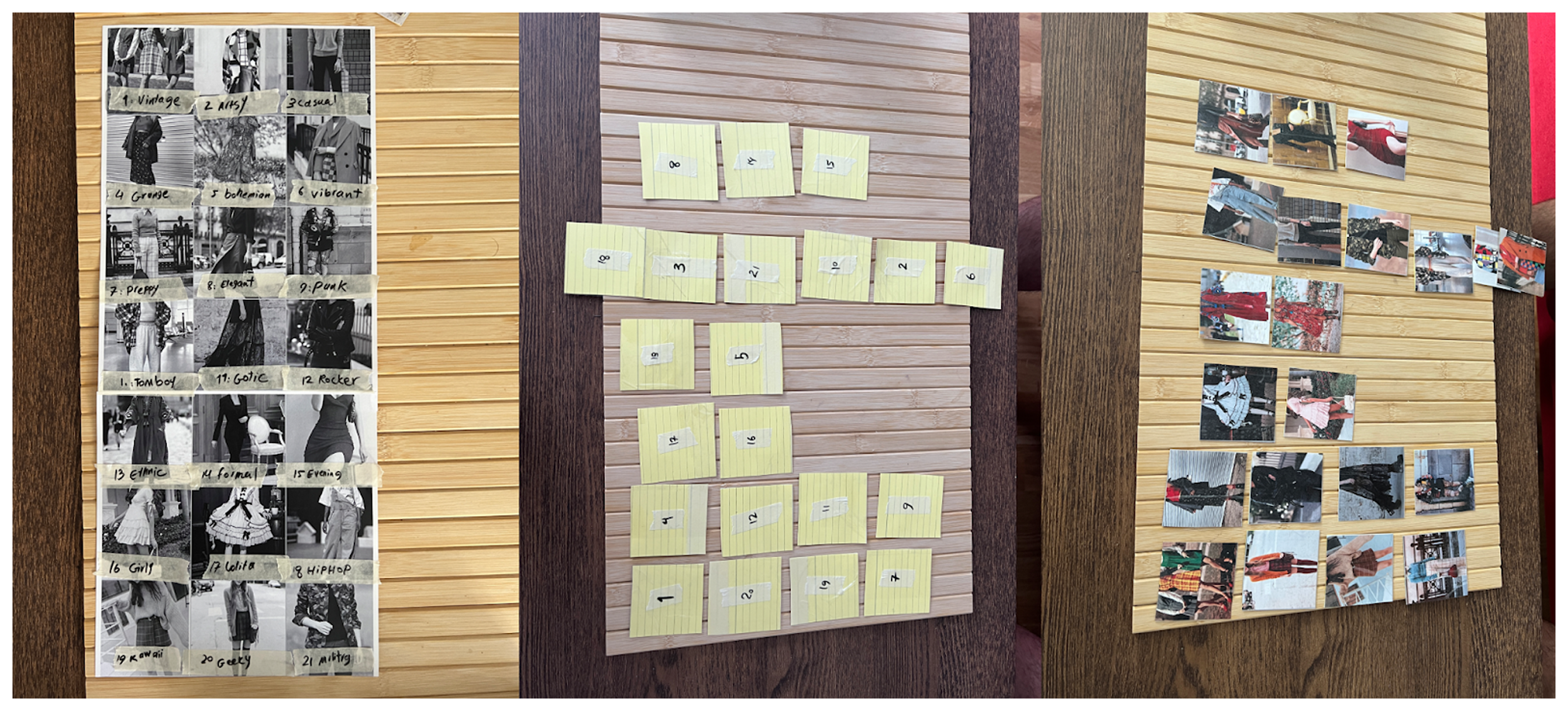
User testing results and feedback
B. Confidence Metrics
Quantitative results showed significant improvement in size confidence, especially for jeans and other difficult-to-size items.
Confidence improvement metrics
Reflection
Confidence is emotional before it's rational. If I respect the joy of discovery and minimize friction, people will share enough to get value back. The trick is to help—without lecturing—so the sustainable choice also feels like the delightful choice.
Next Steps
- A/B test entry points: PDP vs. Size guide vs. Cart intercept.
- Train brand-level confidence badges using purchase/return history.
- Expand the style finder with community data and saved looks.
Interactive Prototypes
Explore interactive prototypes and click to open them in a new window

Sizing Game Prototype
Interactive 5-step sizing game with playful microcopy and visual choices
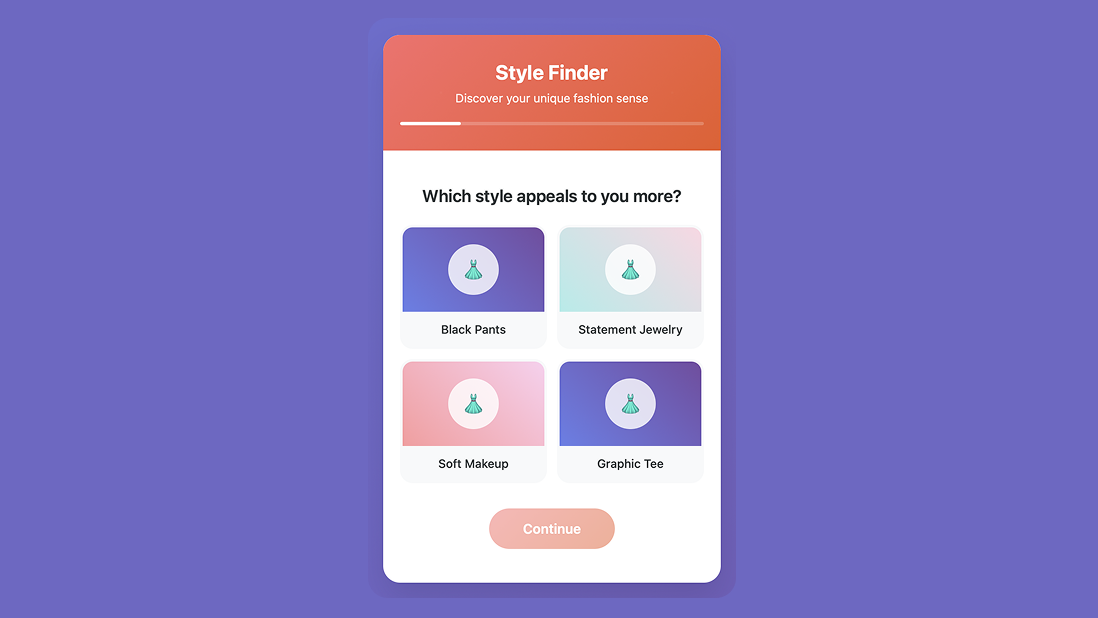
Style Finder Game
Interactive prototype demonstrating the style finder micro-quiz concept
Design Gallery
Explore the complete visual journey and design process
Personas & empathy highlights
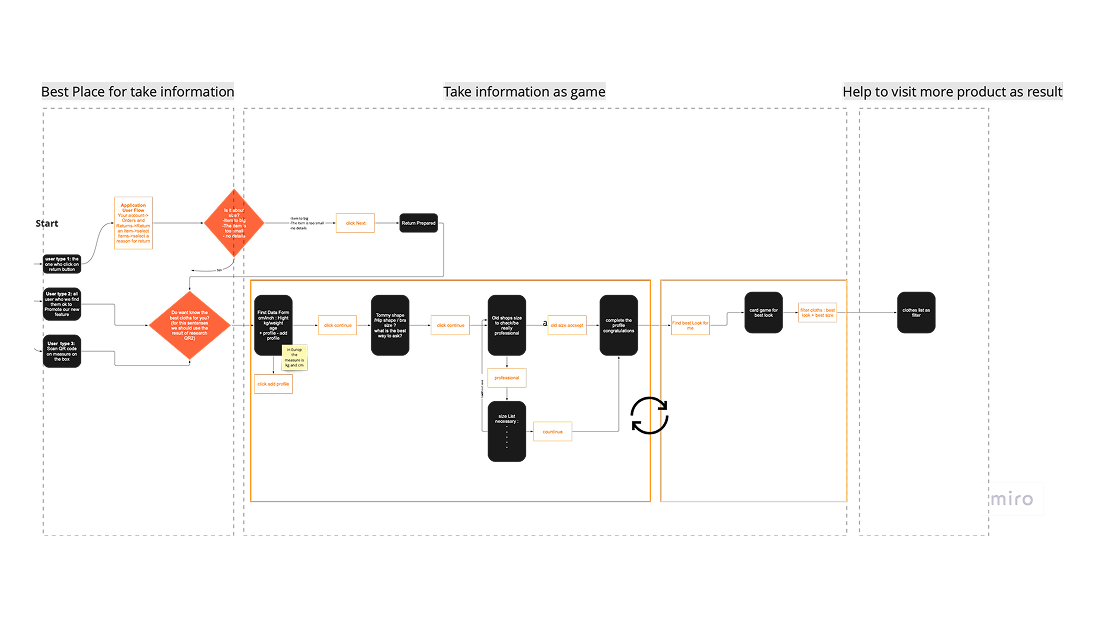
User Flow
Sizing game wireframes
Design Gallery
Explore the complete visual journey and design process
Personas & empathy highlights
User Flow
Sizing game wireframes
Curious how a playful micro-flow can lower returns without killing conversion?
Let's discuss how we can work together on your next project.
Get in Touch